No guinea pigs allowed


The title ‘Royal Infirmary of Edinburgh (RIE) Admin Files’ doesn’t suggest a set of light-hearted records; but in fact amongst the dry administrative files are some gems, as illustrated by this letter from 1922. It is the RIE copy of a letter sent by the Depute Superintendent, William Caw, to the Mess President at the Residency asking for an explanation of certain matters that had been brought to his attention. The letter alleges that the residents had scattered confetti over night nurses returning to the Nurses’ Home after a night shift. To add insult to injury, they were held to be responsible for guinea pigs being put through the windows of the nurses’ dining room “early on Sunday morning”. The outcome of these enquiries is not known; certainly no response from the Mess President has been found within the RIE Admin Files. We can only imagine how he might have replied…


Letter from William Caw to the Mess President
 Residents at the RIE

After graduation a medical student had to serve a practical apprenticeship or residency. To do this he had to obtain an approved appointment as a House Officer in a hospital. Before 1950 the usual period of service was six months, and before 1948 the position was unsalaried. The first female students were admitted in the 1920s. The Residents lived within the Infirmary building in the Residency, each new intake forming a separate ‘Mess’. The Residency contained a sitting room and a dining room as well as bedrooms. Food was supplied from the hospital kitchens. Residents in the RIE were bound by two sets of rules: one drawn up by the Board of Managers; the other drawn up by the Residents themselves and governing the running of their Mess. 


Residency Mess Sunday Draw-In 1913
Cataloguing of the RIE Admin Files

The files containing this letter are not fully catalogued and we hope that they will form the basis of a future cataloguing project for a volunteer. Who knows what else may be discovered within them?

For more information about the RIE Residents, please visit section 114 of the RIE catalogue.

For a selection of Residency photos, please see our online exhibition 100 years of the Royal Infirmary of Edinburgh Residents.

‘Unsung Heroes’ project update

We recently held a seminar for some of the Edinburgh College of Art (eca) students that will produce the new works for display in the ‘Unsung Heroes’ project.


An eca student drawing from one of the LHSA enamel badges

The students looked at a selection of historic enamel badges in the LHSA collection in order to inspire new badges that they will make in the eca’s jewellery and silversmithing department. These new badges will sit alongside examples from the LHSA collection in a Royal Infirmary of Edinburgh installation, and provide a visual bridge between the archive material and the various non-badge creations produced by the students that will also be exhibited.

The students spent time during the seminar drawing from the badges, and it was exciting to see some of our collections in a new light: as a source for artistic expression.

Making a scarce resource more accessible

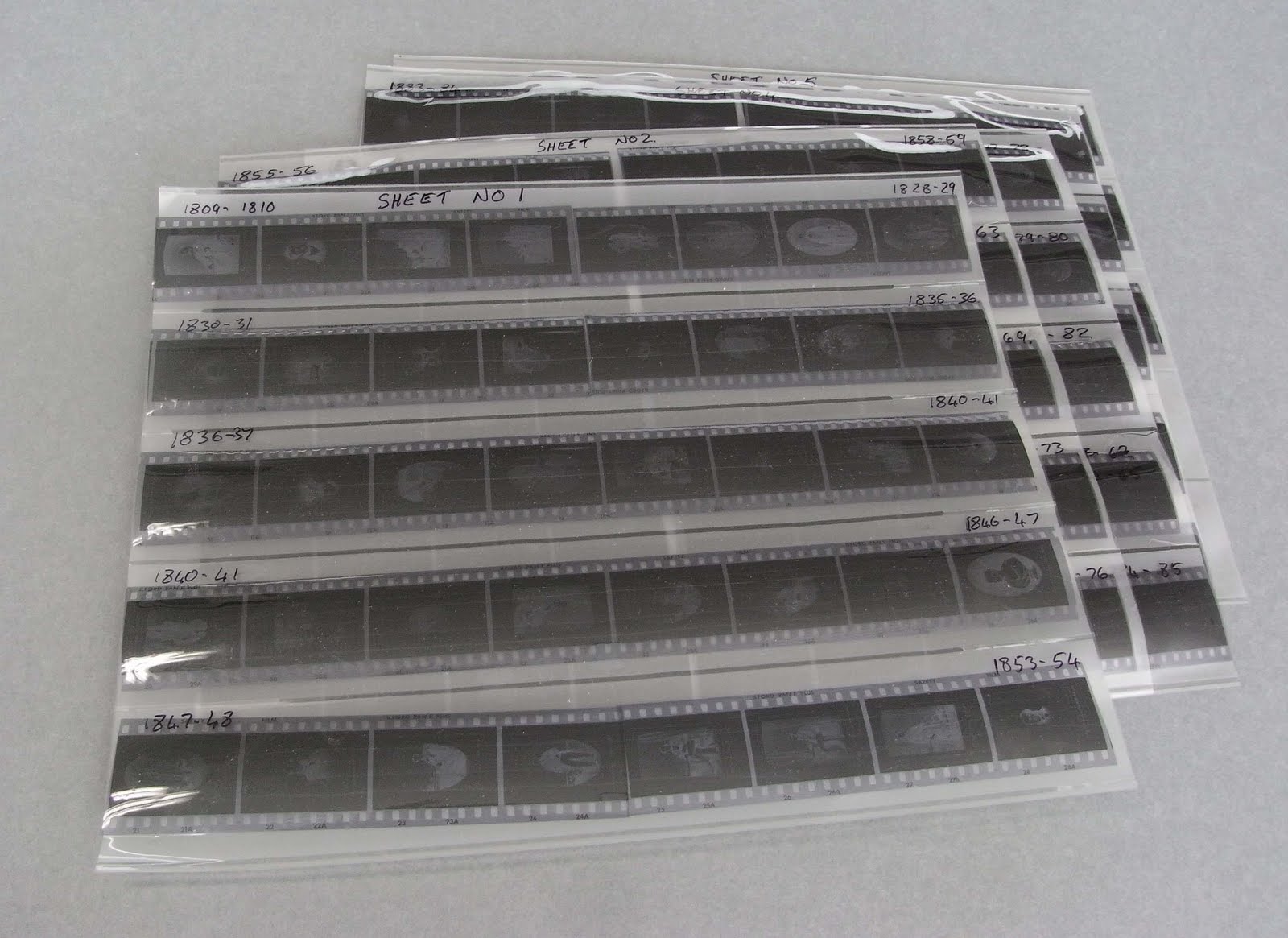
Stephen, our Archive Assistant, recently scanned about 200 film negative copies of photographs of former Presidents of the Royal Medical Society. The originals of these photographs were contained within an album that no longer exists, therefore, the negatives are the only known copy.

The negatives

The Royal Medical Society was formed in 1737 by medical students who met to further their education after formal teaching. Many of the Society members became notable practitioners.

The negatives show Presidents of the Society from approximately 1809 to 1899 and include well-known Edinburgh figures such as David Skae, Sir James Young Simpson and Thomas Annandale. Although there are some dates on the outer sleeve for the film negatives, the names of the Presidents can only by identified from minute inscriptions photographed onto the negatives from the album.

To make the images more accessible, the negatives have been scanned into a high quality format and uploaded onto our image catalogue. We will add all of the known information about the images to the catalogue, and then any of the Presidents can be easily searched for under the recorded terms.

The equipment used to scan the negatives